November 25, 2026
What to Look for When You Buy a Used Chevy Express Van
By @getcardealershiphaven
Why the Chevy Express Van Still Makes Sense
For anyone who needs to move people or cargo in a single vehicle, the full-size van has long been a practical answer. Among the choices on the used market, the Chevrolet Express series stands out because it was built for exactly this kind of work. Whether you run a small business that shuttles parts across town, coordinate a church group that needs to get everyone to an event, or have a family that regularly fills a passenger car, a used Chevy Express van can offer room, durability and a relatively straightforward ownership experience.
Understanding the Express Lineup
Chevrolet produced the Express in two main configurations: the Cargo model and the Passenger model. Both share the same basic chassis and engine options, but the interior layout differs significantly. The Cargo version has an open rear area with metal side panels and a flat floor, designed for hauling equipment, tools or inventory. The Passenger version comes with windows along the sides, multiple rows of seats, and often a higher roof so adults can stand inside. When you search for Chevy vans for sale, knowing which version fits your use saves time and helps you avoid a mismatch.
The Cargo Model
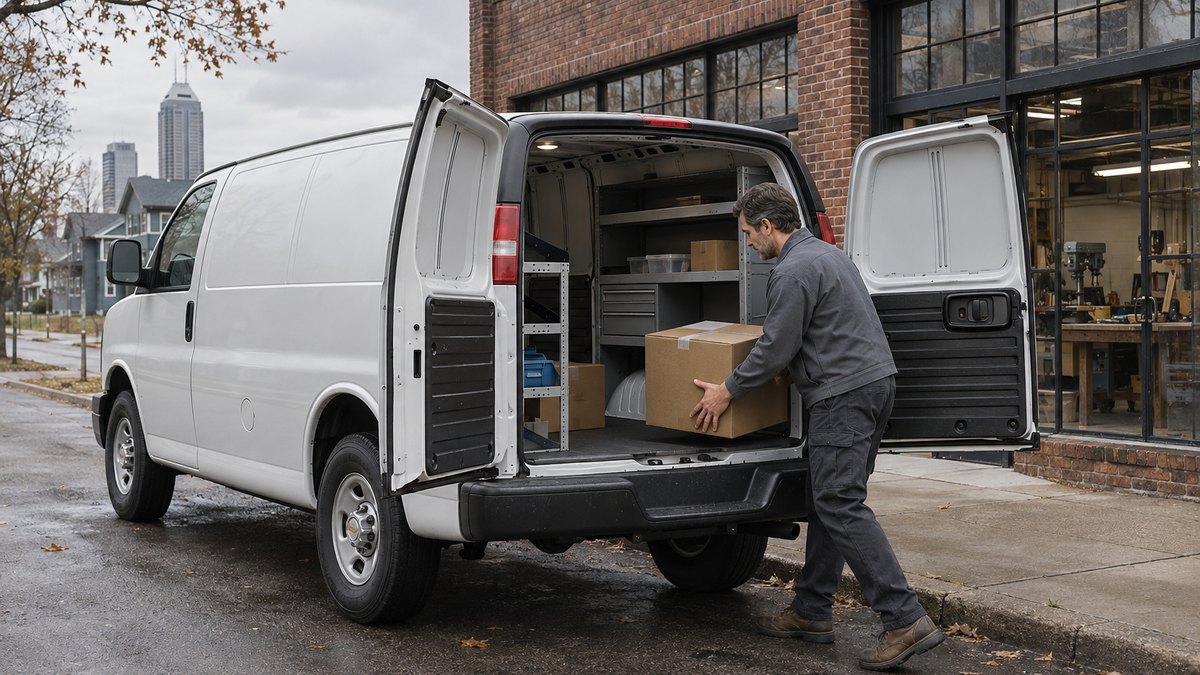
If your work involves moving furniture, construction materials, or large boxes, the Cargo model is worth considering. The interior is essentially a big empty box with tie-down points and a rear door that opens wide. Some used examples still have the original steel floor, which handles heavy loads without wearing through. The lack of windows also means more privacy for whatever you are transporting. Keep in mind that the Cargo version has no built-in seating in the back, so if you occasionally need to carry passengers, you would have to install aftermarket seats, which adds cost and complexity.
The Passenger Model
The Passenger Express van is the choice for groups. It typically seats eight to twelve people, depending on the specific configuration, and the seats are designed for easy removal if you need a hybrid setup. The raised roof is a real advantage: adults can stand upright when loading gear or helping someone into a seat. Many used Passenger vans come with rear heating and air conditioning vents, which matters if you plan to use the van in extreme weather. The windows give the interior a less closed-in feel, but they also make the van less secure for storing valuables out of sight.
Key Things to Inspect on a Used Express Van
Buying any used vehicle requires a careful look, and a work van has usually led a harder life than a family car. Here are the areas that matter most on an older Chevy Express.
Rust and Corrosion
The Express van body panels can rust, particularly around the rear wheel wells, the bottom edges of the doors, and the floor of the cargo area. In colder states where roads are salted, this is an even bigger concern. A small patch of surface rust is not a dealbreaker, but structural rust in the frame or the mounting points for the seats is a serious safety issue. Get a professional inspection if you are not comfortable judging how deep the corrosion goes.
Engine and Transmission
The Express vans used a range of GM engines, most commonly the Vortec 4300 V6 or the 6.0L V8. Both are generally reliable, but they have known weak points. Listen for a rough idle or a ticking noise that could mean a failing exhaust manifold gasket. On the transmission side, the 4L60-E automatic can develop shifting problems if the fluid was not changed regularly. Check that the van shifts smoothly through all gears, and look for any signs of fluid leaks underneath.
Brakes and Suspension
A heavy van puts more strain on brakes and suspension components than a passenger car does. On a used Express, expect that the brake pads and rotors may need replacement soon. Also check the condition of the leaf springs and the shock absorbers. If the van sits lower on one side or bounces excessively after a bump, the suspension has wear that will affect handling and ride comfort.
Interior Condition and Seats
For a Passenger model, the seats themselves are a critical item. Look for torn upholstery, broken seatbelt retractors, and any missing bolts or brackets. A van used for commercial transport may have had the seats removed and reinstalled multiple times, which can strip the threads in the floor anchors. If the seat mounting points are damaged, installing new seats becomes a more involved job. For Cargo models, check that the floor tie-downs are still intact and that the rear door opens and closes easily without binding.
How a Used Express Van Fits Into a Business or Group
The biggest advantage of the Chevy Express is its straightforward design. Parts are widely available, and many general mechanics are comfortable working on them. That keeps repair costs reasonable compared to some imported vans. For a small business that needs a single multi-purpose vehicle, a Cargo model can double as a delivery truck during the week and a people mover on weekends if you add removable seats. For a nonprofit or church group, a Passenger model with a wheelchair lift option (available on some years) opens up the van for members with mobility challenges.
The trade-off is fuel economy. The Express van was not designed to be fuel-efficient by modern standards. Expect mileage in the range of 12 to 16 miles per gallon, which adds up quickly if you drive long distances daily. That is part of the reason many organizations choose a van like this only for local or regional trips rather than cross-country routes. If your work involves mostly city or suburban driving with occasional highway runs, the fuel cost may be acceptable given the low purchase price of a used model.

Financing and Documentation
Buying a van for a business or group often means dealing with financing, and not every lender is comfortable with a used commercial vehicle. Some credit unions and banks require the van to be under a certain age or mileage to qualify for a loan. At a dealership like Ray Skillman Chevrolet, you can discuss financing options that work for different credit histories, which can simplify the process if you are not paying cash. Always check the vehicle history report and the title before signing anything. A van that was used as a shuttle may have higher actual mileage than what the odometer shows if the odometer was replaced or reset.
Making the Choice That Fits Your Work
Start by listing what the van needs to do on a typical day. If you mainly haul cargo and only occasionally carry people, the Cargo model with aftermarket seats may be the most flexible route. If people are the primary load, the Passenger model saves you the hassle of installing seats and meets safety regulations more easily. Either way, the Chevy Express van is a proven platform that has been on the road for decades. When you find a used example with solid maintenance records, you are getting a vehicle that was built to work hard.
If you are in central Indiana and want to see available options, a visit to Ray Skillman Chevrolet in Indianapolis gives you the chance to inspect both the Cargo and Passenger models side by side. Taking the time to test drive, check the service history, and ask about any known issues will help you leave with a van that matches your actual needs rather than just the lowest price on the lot.
❧